Every photographer hits a creative plateau. The subjects feel predictable, the compositions repetitive, the passion a little dimmed. The Inspiration section of SnapMuse exists for exactly that moment — to reignite curiosity, introduce new perspectives, and remind you why you picked up a camera in the first place.
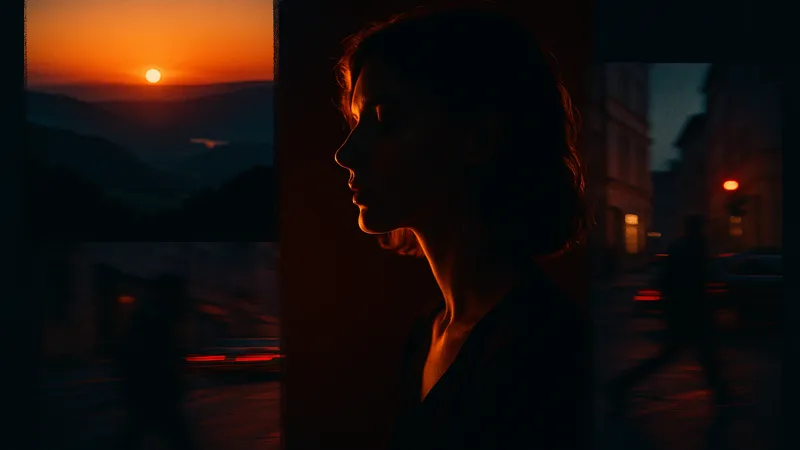
Creative Project Ideas
Structured projects are one of the most effective ways to grow as a photographer. They introduce constraints — a theme, a time limit, a single lens — that force creative problem-solving. Here are some project frameworks to consider:
365 Project
One photograph every day for a year. The discipline of daily shooting builds habits that improve your eye faster than almost any other practice. The subject doesn't matter — consistency does.
Beginner FriendlySingle Focal Length Month
Shoot an entire month with one prime lens — typically 35mm or 50mm. Constraints eliminate option paralysis and force you to work the scene with your feet, not your zoom ring.
Beginner FriendlyShoot Film for a Week
Even if you're a committed digital shooter, a roll of film changes your relationship with every frame. The cost and irreversibility make you slow down and commit to each composition.
IntermediateThe Blue Hour Series
Spend a fortnight photographing exclusively in the 20–40 minutes after sunset. The short, fleeting window of deep blue ambient light produces a consistent, dramatic mood across any subject.
IntermediatePortrait of a Community
Document a local community — a market, a sports club, a neighbourhood — over several months. Long-form documentary work develops patience, people skills, and a deeper photographic narrative.
AdvancedColour Palette Study
Choose a palette of two or three colours and photograph only scenes that contain them for 30 days. This trains your eye to see colour before framing a shot.
Beginner Friendly
Ways of Seeing
Sometimes inspiration isn't about a specific project — it's about shifting how you approach looking at the world. These conceptual frameworks can quietly transform how you see a scene:
Layers and Depth
Train yourself to identify foreground, midground, and background elements in every scene before lifting the camera. Photographs that use all three planes tend to feel immersive and three-dimensional.
Juxtaposition
Place two contrasting elements in the same frame — old and new, large and small, still and moving. The tension between opposites creates photographs that invite the viewer to think.
Weather as Character
Most photographers wait for good light. Experienced photographers also photograph fog, rain, harsh midday sun, and overcast skies — learning to use every condition rather than fighting it.
Compression and Abstraction
Move close. Fill the frame. Reduce a subject to texture, pattern, or shape until it becomes almost unrecognisable. Abstract photography builds the skill of seeing beyond the obvious.
The Return Visit
Photograph the same location across different seasons, times of day, or years. The discipline of returning forces you to find new angles and develop a long-term relationship with a place.
Find Your Next Creative Spark
Browse our full collection of inspiration articles, photographer spotlights, and themed creative challenges in the Inspiration category.
Browse Inspiration Articles